
The stage lighting, the winner's walk, the applause. These are the moments guests remember from an award ceremony.
They are also the easiest part to get right. They happen in full view, with everyone watching.
What actually determines a smooth night happens off camera. An experienced award ceremony organiser spends real time on confidentiality, logistics and backstage coordination. A single gap in any of these areas can unravel a well-rehearsed program in seconds. Here are five details worth getting right before the lights go up.
Why the Details Behind an Award Ceremony Matter More Than the Show
An award ceremony has a narrow margin for error compared to other corporate events. There is no reshoot if a winner's name is announced incorrectly. There is no quiet fix if a trophy is missing when someone is called up.
Good award ceremony planning treats these operational details as seriously as the creative program. Guests notice small failures far more than they notice small successes.
1. Winner Confidentiality and Announcement Logistics
Leaked results before the ceremony can flatten the entire evening. Confirm exactly who has access to the winner list, and keep that group small. Sealed envelopes and separate presenter briefings both help reduce the risk. A clear rule against sharing results outside the confirmed group matters too.
It also helps to confirm a backup plan for the announcement itself. If a presenter misreads a card, there should be a clear way to correct it fast. The same applies if a slide fails to display on cue. Handle it calmly, without drawing extra attention to the mistake.
2. Trophy Production and Last-Minute Name Changes
Trophies and engraved plaques often go into production weeks before the event. This happens based on a finalised winner list. Any late change, whether from a judging dispute or a category adjustment, needs a realistic turnaround plan with the engraver.
Confirm a cut-off date for changes well in advance. Know your backup option if a name needs correcting the day before. A blank trophy held in reserve, ready for quick engraving, has saved more than one ceremony from an awkward gap.
3. Backstage Flow Between Emcee, AV Cues and Winners
The handoff between emcee, AV team and winner needs real rehearsal. It should never be assumed. A few seconds of confusion here is highly visible to the audience, even if it feels minor backstage.
Confirm where winners wait before being called. Confirm how they are guided to the stage. Confirm who directs them if they seem unsure. A dedicated backstage coordinator, working closely with the emcee and production team, keeps this handoff smooth. This matters most when the schedule shifts at night.
4. Seating, VIP Placement and Table Assignments
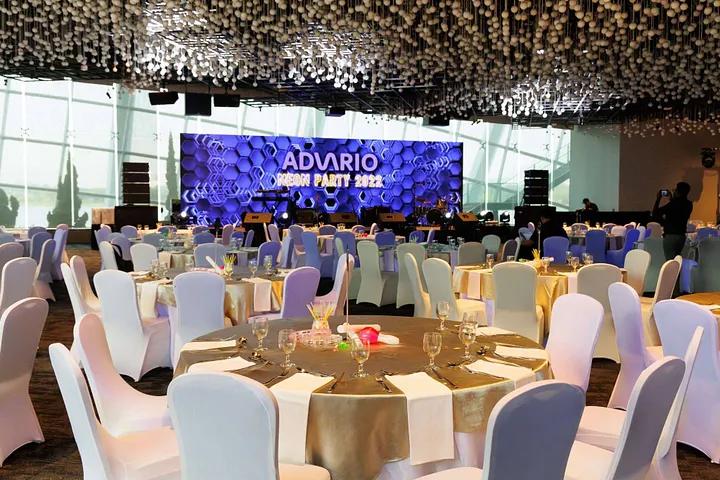
Seating decisions carry more weight at an award ceremony than at most other corporate events. Guests notice who sits near the stage, and who does not. Confirm VIP and sponsor table placement early. Cross-check the final list against any late changes to attendee numbers.
Winners and nominees in the same category often need to sit close together. They should be able to reach the stage quickly, without a long walk through a crowded room. Map this out in the floor plan in advance. Leaving it to on-the-day adjustment causes delays between award segments.
5. Photography, Press and the "Media Moment"
The winner's photo is often the most-used image from the entire event. It shows up in press coverage, company communications and social media for months afterward. Confirm the backdrop, lighting and photographer positioning well before the ceremony starts.
If press or media guests are attending, confirm a clear process for photo opportunities. This process should not interrupt the flow of the program. A brief pause built into the run of show works better than an unplanned delay while photographers reposition.
Why a Full Technical Run-Through Matters
Even with all five details confirmed individually, they need testing together. This should happen before the event, not just get discussed in planning meetings. A full technical run-through catches gaps that are easy to miss on paper. Walk through the actual sequence of announcements, transitions and photo moments.
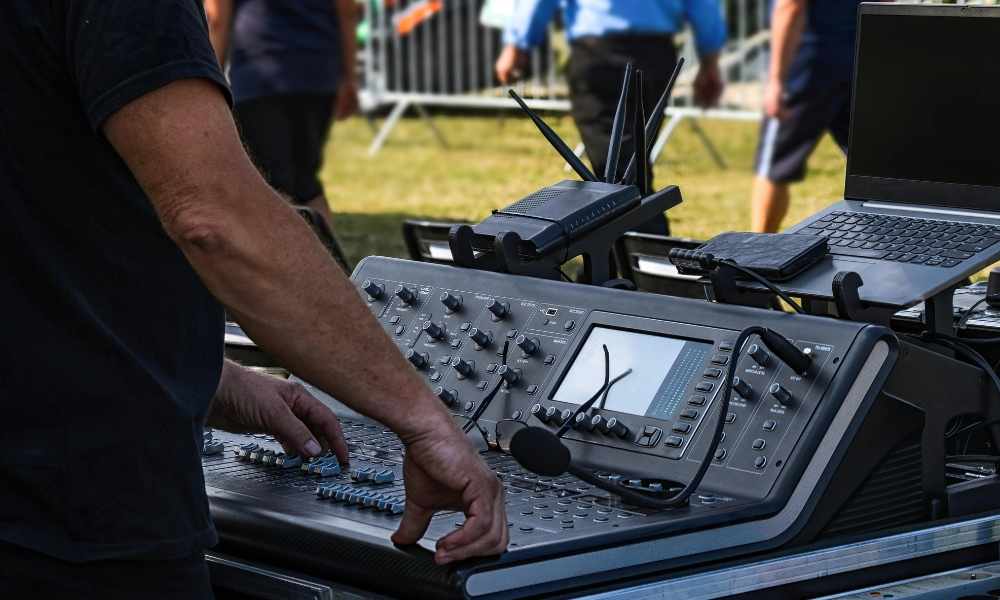
This is where award ceremony production teams typically combine lighting, sound and staging cues. They build one rehearsed sequence, timed against the actual run of show. Categories with tight timing, such as consecutive awards, benefit especially from this kind of rehearsal. There is less room to recover from a delay once the ceremony is underway.
It is also worth rehearsing the less glamorous moments. How does a presenter exit the stage? How is the next presenter cued to enter? How quickly can the stage reset between segments? These transitions rarely get much attention in planning, but they add up over a long program.
A Practical Award Ceremony Planning Checklist
Pulling these five details into a single award ceremony planning checklist makes them easier to track:
Winner list access limited to a confirmed, small group
Backup announcement plan in case of a misread or technical fault
Trophy production cut-off date confirmed with the supplier
Backstage flow between emcee, AV and winners rehearsed in advance
VIP and winner seating mapped in the final floor plan
Photography backdrop and media moment confirmed and timed into the program
Getting the Details Right, Not Just the Show
Strong award ceremony event planning is less about the moment a winner is announced. It is more about everything that has to work correctly for that moment to land well. Confidentiality, production timelines, backstage coordination, seating and media logistics all sit quietly behind the scenes. Each one is capable of derailing the night if left unconfirmed.











Write a comment ...