
Planning a memorable event takes more than booking a venue and putting together a schedule.
An event entertainment company can help shape the atmosphere, keep guests engaged, and turn an ordinary programme into an experience people remember.
That matters even more in 2026. Event entertainment is moving away from being a background feature and becoming part of the overall event experience, with planners increasingly using interactive, immersive and personalized formats to keep audiences involved.
Start With Your Event, Not the Entertainment Company
One common mistake is starting the search with, “Who is the best entertainment company?” A better question is, “What does my event actually need?”
A product launch may need a high-energy performance that supports the brand reveal. A leadership conference may benefit from a polished host, live music during networking and carefully timed audience engagement. An awards evening could need a combination of an emcee, performers, music and visual production.
The entertainment should fit the event rather than forcing the event to fit the entertainment.
Before contacting companies, define three things: your audience, your objective and the atmosphere you want to create. This immediately makes vendor conversations more useful.
Look Beyond a List of Performers
A strong entertainment company should offer more than a catalogue of DJs, bands, dancers, comedians or celebrity performers.
Ask how they build an entertainment concept around your event.
For example, if you are planning a corporate gala, can they recommend a sequence that starts with subtle background entertainment, builds energy during dinner and finishes with a performance or interactive segment? Can they adjust the programme if guests are more engaged than expected?
That ability to design the flow is often more valuable than having the longest performer list.
In 2026, entertainment is increasingly being integrated into the wider guest journey instead of being treated as a standalone stage act.
Experience With Similar Events Matters
Ask for examples that are genuinely comparable to your event.
A company that regularly handles weddings may not automatically be the right choice for a 1,000-person corporate conference. Likewise, an entertainment provider experienced with intimate executive gatherings may not have the operational depth needed for a large public event.
Look at the size, audience, venue type and event objective of their previous work.
More importantly, ask what their role was. Did they simply provide performers, or were they responsible for programming, technical coordination, rehearsals and on-site management?
That distinction can save you from unpleasant surprises later.
Evaluate Their Production and Technical Capability
Great entertainment can fall flat because of poor execution.
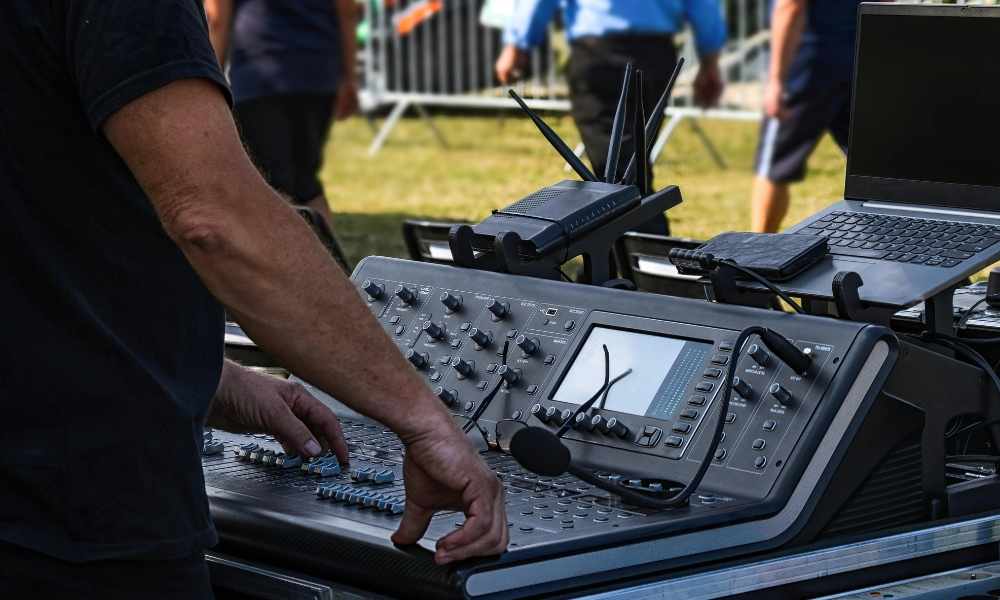
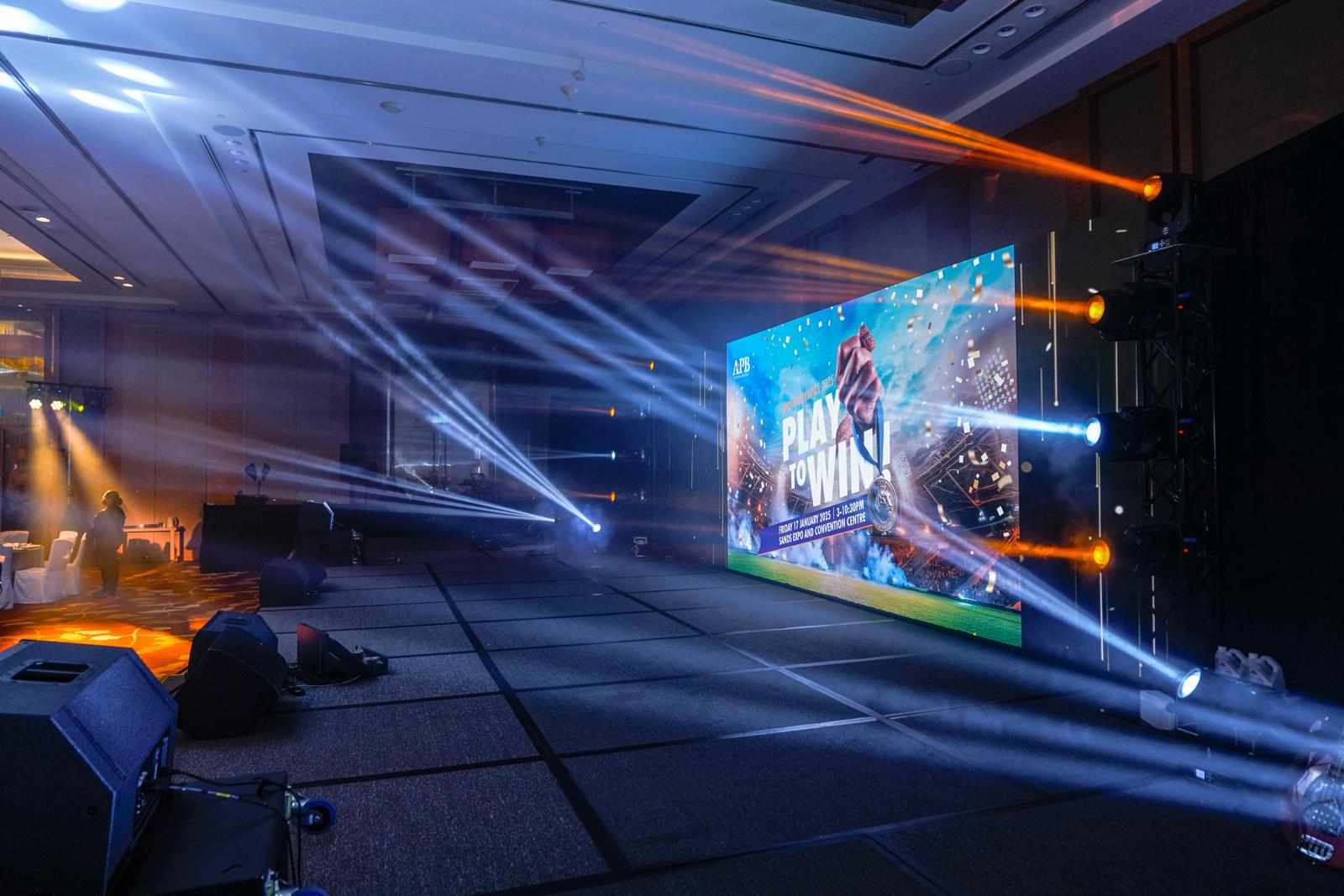
Sound quality, lighting, staging, microphones, screens, power requirements, performer access and rehearsal schedules all affect the final experience. A professional company should be able to explain these requirements clearly before the event day.
You should also ask who handles technical coordination.
If the entertainment provider works with your production team or venue AV team, there should be a clear communication process. Someone needs to know exactly when the performer enters, which microphone is being used, what music cues are required and what happens if the schedule changes.
This is where experience becomes visible. Good vendors usually ask detailed operational questions before they start talking about the performance itself.
Look for Entertainment That Gets People Involved
One of the clearest shifts in event entertainment is the move from passive viewing to participation.
Interactive games, live polling, customized game shows, audience-led music, immersive installations and creative activations can give guests a reason to participate rather than simply watch. Current corporate event trends also point toward experiences that are personalized, interactive and designed around meaningful engagement.
That does not mean every event needs VR, AI or a flashy technology installation.
Sometimes a well-chosen live band, skilled emcee or culturally relevant performance will create more engagement than an expensive activation. The question is not how advanced the entertainment looks. It is whether people actually connect with it.
Check How Flexible the Company Is
Events rarely run exactly according to plan.
A keynote may finish late. Dinner may take longer than expected. Guests may arrive slowly. An executive may add a speech at the last minute.
Your entertainment partner needs to handle those changes without creating another problem for the event team.
During the selection process, ask what happens when the running order changes. Find out whether performers can adjust set lengths, whether the company has backup options and who will make decisions on-site.
A flexible entertainment team is usually much more valuable than one that only performs well when everything goes according to the original schedule.
Ask About Budget Transparency
Price should not be the only deciding factor, but unclear pricing is a warning sign.
Ask what the quote includes. Does it cover performers, travel, equipment, rehearsals, technical production, setup and teardown? Are there overtime charges? What happens if the event schedule changes?
Two companies may quote very different prices for what appears to be the same entertainment. Once you understand what is included, the comparison becomes much fairer.
The cheapest option is not necessarily the most cost-effective. On a major event, one technical failure or poorly managed performance can cost more—in reputation and guest experience—than the original saving.
Consider Cultural Fit and Location
For events in different cities or countries, local knowledge can make a real difference.
A company familiar with the venue, local suppliers, audience expectations and cultural preferences can often anticipate practical issues that an outside vendor may miss.
This becomes particularly important for international conferences, destination events and multicultural corporate gatherings. Entertainment should feel appropriate to the audience, not simply impressive on paper.
The Best Company Is the One That Understands the Brief
There is no universal “best” event entertainment company.
The right choice is the company that understands what you are trying to achieve and can turn that objective into an experience that works in the real world.
Look at creative thinking, relevant experience, production capability, flexibility, communication and pricing—not just performer names or a polished showreel.
Most importantly, pay attention to the questions a company asks you. If they want to understand your audience, venue, schedule and goals before recommending entertainment, that is usually a good sign.
Because memorable entertainment is rarely about one spectacular performance. It is about getting the right people, format, timing and atmosphere working together. In today's experience-driven events landscape, that is what separates entertainment that simply fills a programme from entertainment that people actually remember.





Write a comment ...