
Planning an event often looks straightforward in the beginning. You book a venue, confirm the guest list, arrange catering, and think everything is falling into place. Then reality sets in.
A supplier arrives late. The sound system needs last-minute adjustments. More guests confirm than expected. A speaker changes their presentation schedule. Suddenly, dozens of small details demand attention at the same time.
I've seen businesses underestimate this part of event planning more than once. The visible pieces are easy to understand, but it's the coordination behind the scenes that determines whether an event runs smoothly or becomes stressful.
That's exactly where a professional event company adds value. Their role goes far beyond decorating a venue or booking entertainment. They manage the entire process from planning through execution, helping businesses deliver events that leave a positive impression on every guest.
What Does an Event Company Actually Do?
Many people think an event company simply organizes decorations and books vendors. In reality, the scope is much broader.
A professional team manages every stage of the event, including planning, scheduling, supplier coordination, logistics, and on-site management. Their objective is simple: keep everything running according to plan while allowing the client to focus on guests and business goals.
Typical services include:
Event planning and strategy
Venue selection and coordination
Budget management
Stage and production setup
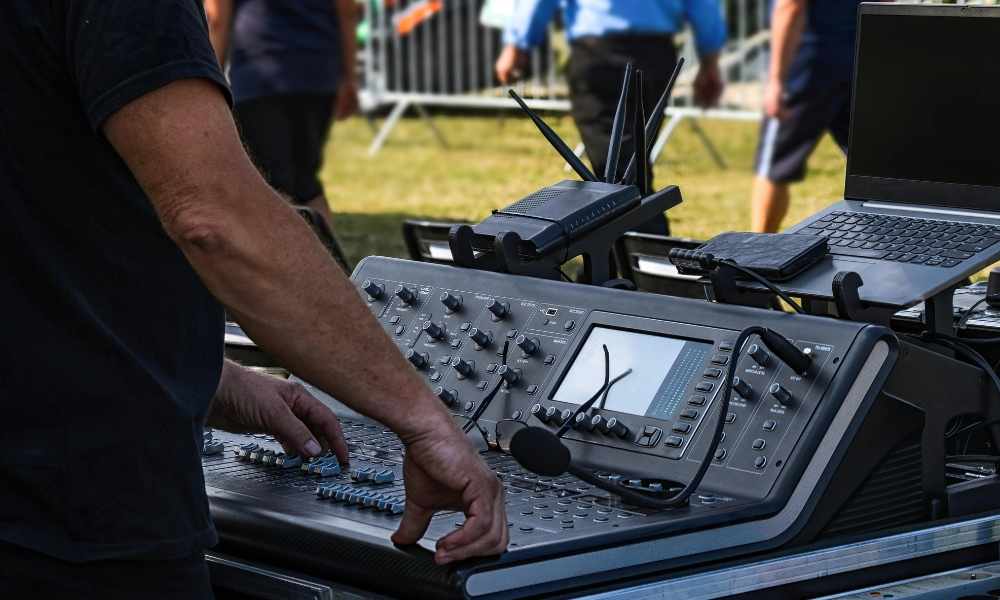
Audio-visual equipment
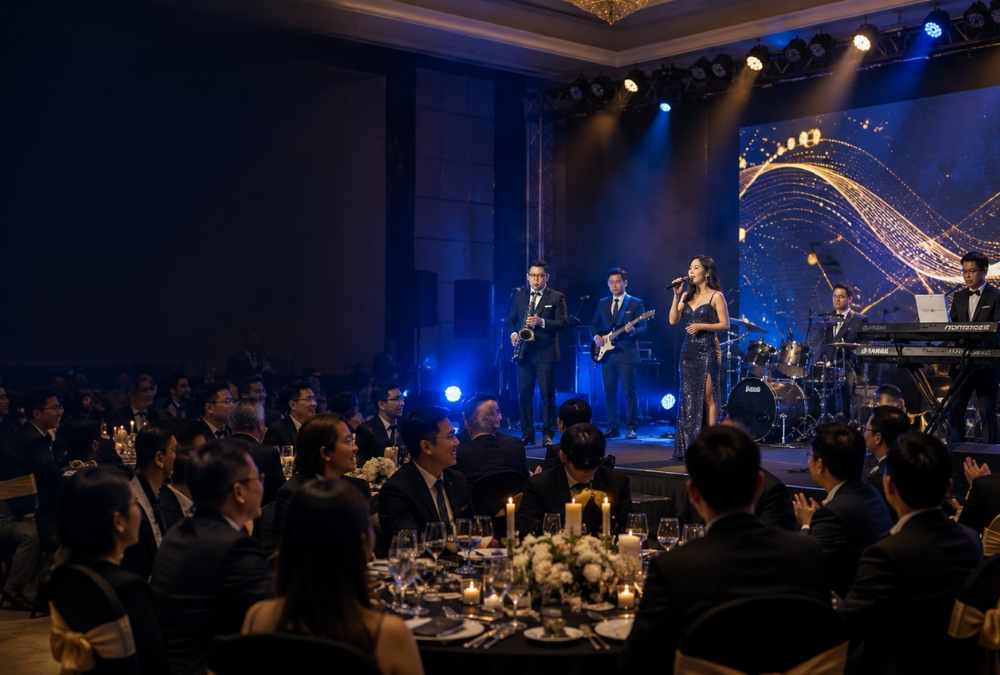
Entertainment booking
Guest registration
Catering coordination
Photography and videography
Event staffing
On-site event management
Post-event reporting
The preparation often begins weeks or even months before the event takes place. Every timeline, supplier, and contingency plan is carefully organized to reduce unexpected problems on the day.
Every Event Has Different Requirements
One mistake businesses sometimes make is assuming every event follows the same formula.
It doesn't.
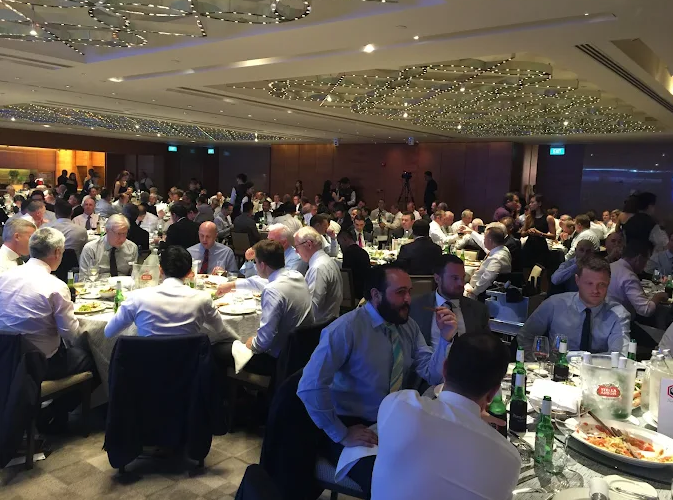
A corporate conference requires completely different planning than a product launch. A gala dinner has different priorities compared to an outdoor roadshow or an exhibition.
For example, corporate meetings usually focus on presentations, registration systems, and technical support. Product launches often emphasize branding, lighting, media coverage, and audience engagement. Private celebrations require a more personal experience, while exhibitions demand detailed logistics and exhibitor coordination.
Experienced event companies understand these differences and adapt their planning accordingly instead of relying on the same approach for every project.
Understanding the Cost of Event Management
One of the first questions clients ask is about pricing.
The answer depends on several factors because no two events are exactly alike.
The overall cost usually depends on:
Number of attendees
Event duration
Venue requirements
Technical equipment
Entertainment
Catering
Staffing
Decoration and branding
Production complexity
A small networking session naturally requires fewer resources than a large conference with several hundred attendees.
Here's something many people overlook.
You're not simply paying for tables, lighting, or decorations. A significant part of the investment goes toward planning, coordination, supplier management, scheduling, and solving problems before guests even notice them.
That's often where experienced event planners justify their fees.
Factors That Influence Pricing
Several elements can increase or reduce the overall event budget.
Event Size
More guests usually mean more seating, catering, registration staff, security, equipment, and coordination.
Larger events require significantly more planning than smaller gatherings.
Production Requirements
Some events only need a projector and microphone.
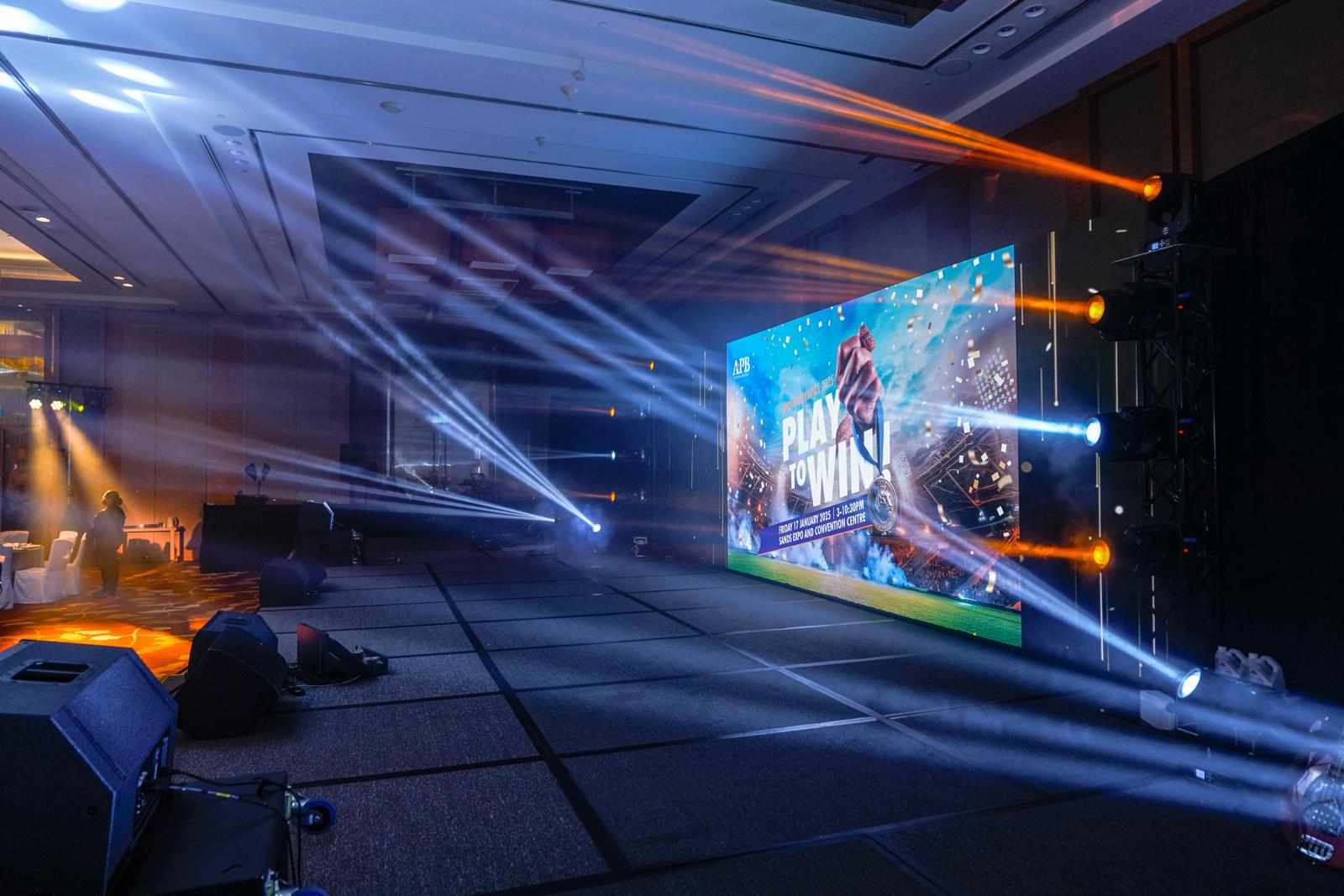
Others require LED screens, professional lighting, live streaming, staging, multiple cameras, and advanced sound systems.
Technical production often becomes one of the largest portions of the budget.
Venue Complexity
Every venue has different operating procedures.
Some allow flexible access for setup, while others have strict loading times, limited parking, or additional safety requirements. These restrictions affect both planning and labor costs.
Custom Experiences
Branded installations, themed decorations, interactive activities, live performances, and custom stage designs all require additional planning and resources.
The more personalized an event becomes, the more coordination it usually requires.
The Work Guests Never See
Guests notice beautiful decorations, quality food, and engaging entertainment.
What they rarely notice is everything happening behind the scenes.
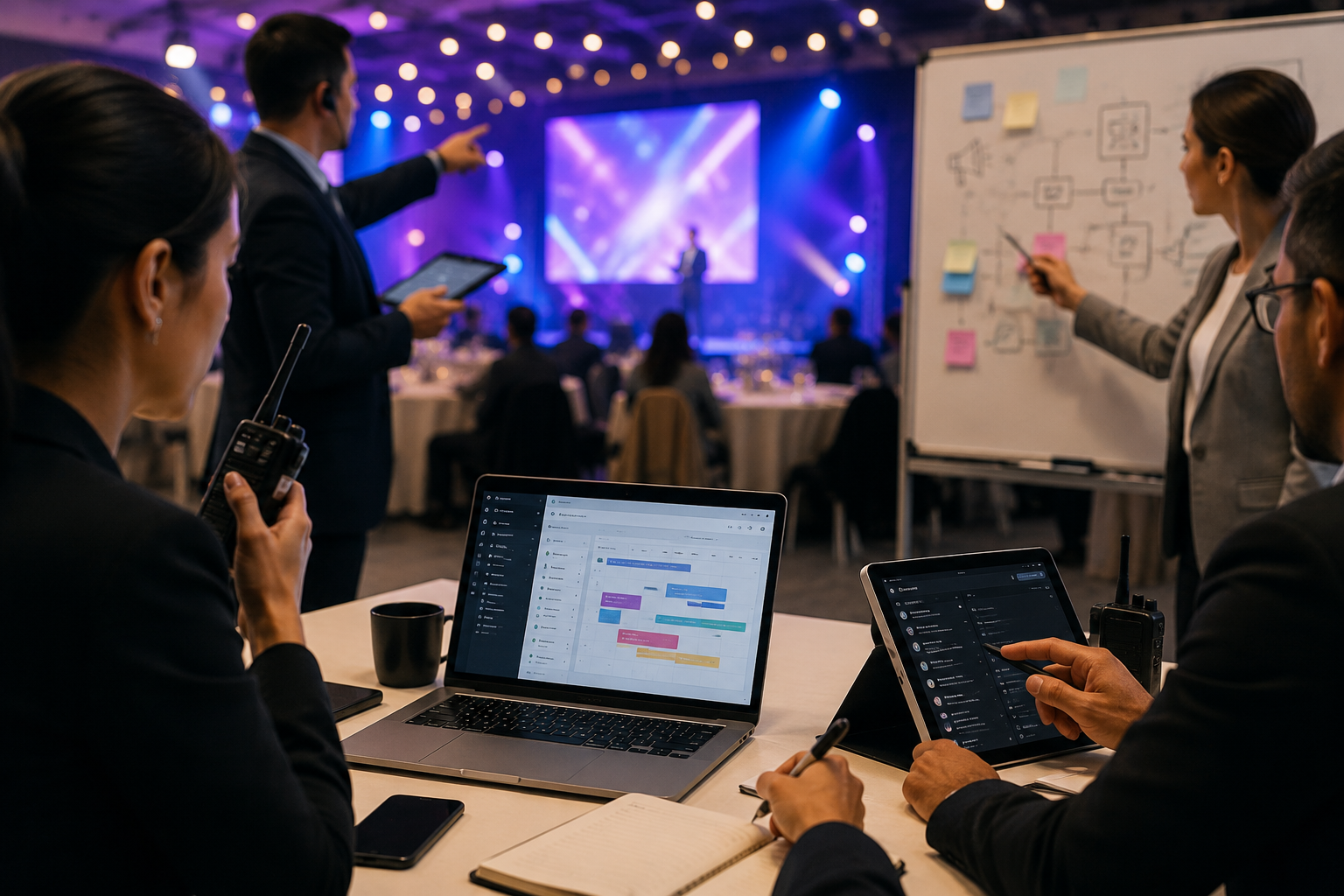
Successful events rely on constant communication between vendors, venue managers, technicians, photographers, caterers, entertainers, and event coordinators.
There are schedules to monitor, deliveries to confirm, equipment to test, registrations to manage, and unexpected situations to solve.
If something changes at the last minute, experienced event managers adjust quickly without disrupting the guest experience.
This invisible work often determines how successful an event feels from start to finish.
Questions to Ask Before Hiring an Event Company
Choosing the right event company involves more than comparing prices.
Before making a decision, ask questions such as:
What types of events have you managed?
Can you provide examples of similar projects?
Do you handle production in-house?
How do you manage unexpected issues?
Who will supervise the event on-site?
What services are included in the quotation?
Are there any additional charges?
These conversations provide a much clearer picture of the company's experience and working style than promotional materials alone.
What Should You Expect?
No event is completely free from challenges.
Schedules change. Suppliers experience delays. Weather affects outdoor events. Equipment occasionally needs adjustments.
A professional event company doesn't promise perfection.
Instead, they prepare for different situations before they happen. Strong communication, detailed planning, and quick decision-making help minimize disruptions and keep the event moving forward.
That level of preparation allows businesses to focus on their guests instead of constantly solving operational problems.
Final Thoughts
Hiring an event company in Singapore is about much more than outsourcing logistics. It's about working with professionals who understand how to coordinate dozens of moving parts while maintaining a seamless experience for attendees.
From planning and budgeting to production and on-site management, experienced event teams handle the details that many people never see but always appreciate.
When every element works together—from the first guest arriving to the final wrap-up—the event feels effortless. Behind that smooth experience is careful preparation, practical experience, and a team committed to making every stage of the event run as planned.





Write a comment ...