
Introduction
Event planning always looks easier from the outside.People usually picture a nice venue, some decorations, good food, maybe a stage setup, and that’s it. But once the actual planning begins, things become messy very quickly. Timelines start shifting. Vendors stop responding properly. Guests change confirmations at the last minute. Budgets quietly grow larger than expected. I’ve seen this happen with both small private events and large corporate functions. The funny part is most event problems don’t come from huge disasters. They usually come from small things nobody planned for early enough.That’s why more businesses are now focusing on customised events Singapore instead of using generic event setups that feel rushed and forgettable. Because honestly, guests notice the difference immediately.
Why Generic Events Usually Fail
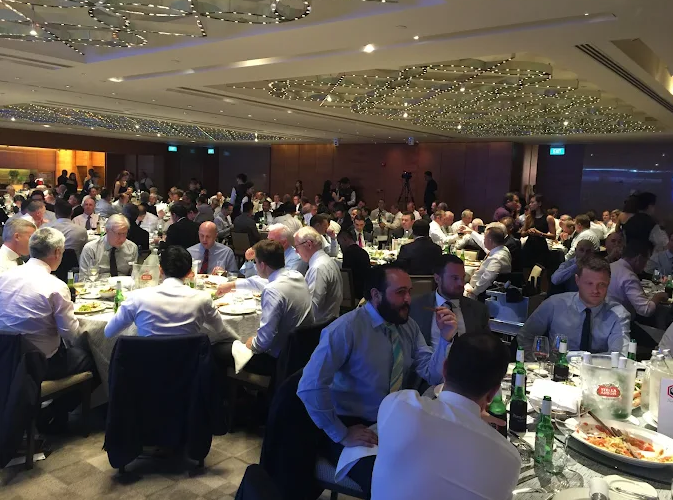
Most people can tell when an event feels copied from somewhere else. Same backdrop. Same stage setup. Same program flow. Same awkward networking session where nobody really talks comfortably. You can almost predict the schedule before the event even starts. Here’s what matters though. People remember experiences, not decorations alone. An event can have expensive lighting and still feel completely forgettable if there’s no real connection with the audience. I’ve noticed this especially with corporate events in Singapore. Companies spend heavily on appearance but forget about engagement. That creates a strange atmosphere where everything looks professional, but nobody feels genuinely involved. The problem gets worse when organizers focus only on logistics instead of guest experience. Timing becomes robotic. Sessions feel too long. Guests lose interest halfway through the event. And once attention disappears, the entire energy changes.
What Guests Actually Expect Today
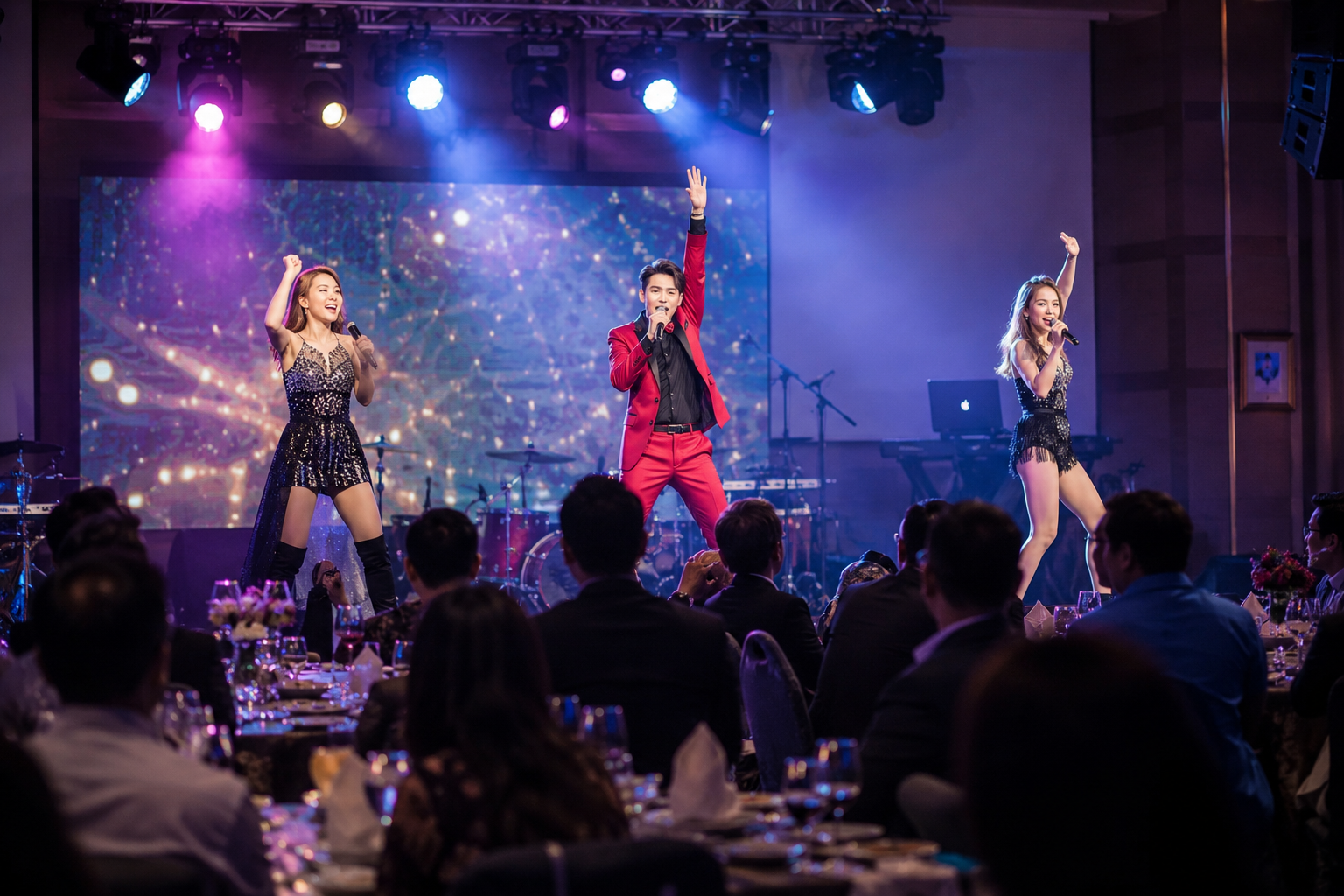
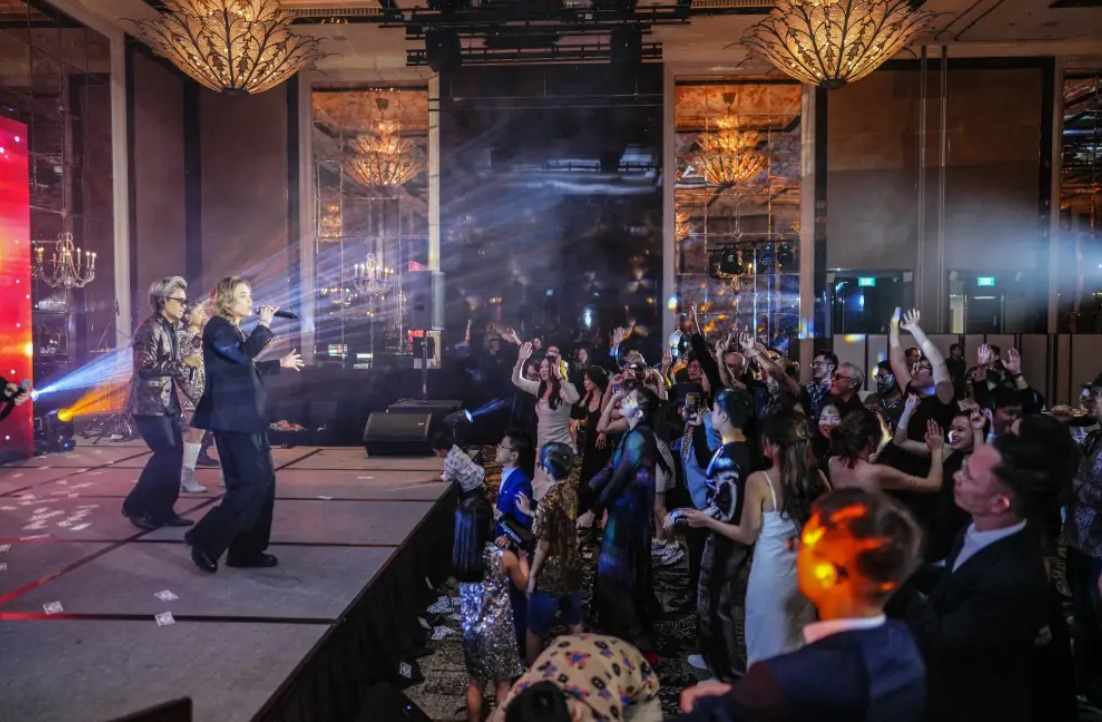
People expect more now. That’s simply reality. Attendees don’t want to sit through hours of formal presentations without interaction. They want smoother experiences, better pacing, and events that feel designed around real people instead of templates. This is where customised events Singapore are becoming far more valuable for businesses trying to stand out. Customisation doesn’t always mean spending more money either. That’s a common misunderstanding. Sometimes small details create the biggest impact. Better seating flow. Interactive corners. Personalized branding. Relaxed networking areas. Even simple schedule adjustments can completely change how guests experience an event. Here’s the kicker. Most attendees may not remember every speech, but they absolutely remember how the event made them feel. That emotional part matters more than many planners realize.
Planning Problems Most Businesses Face
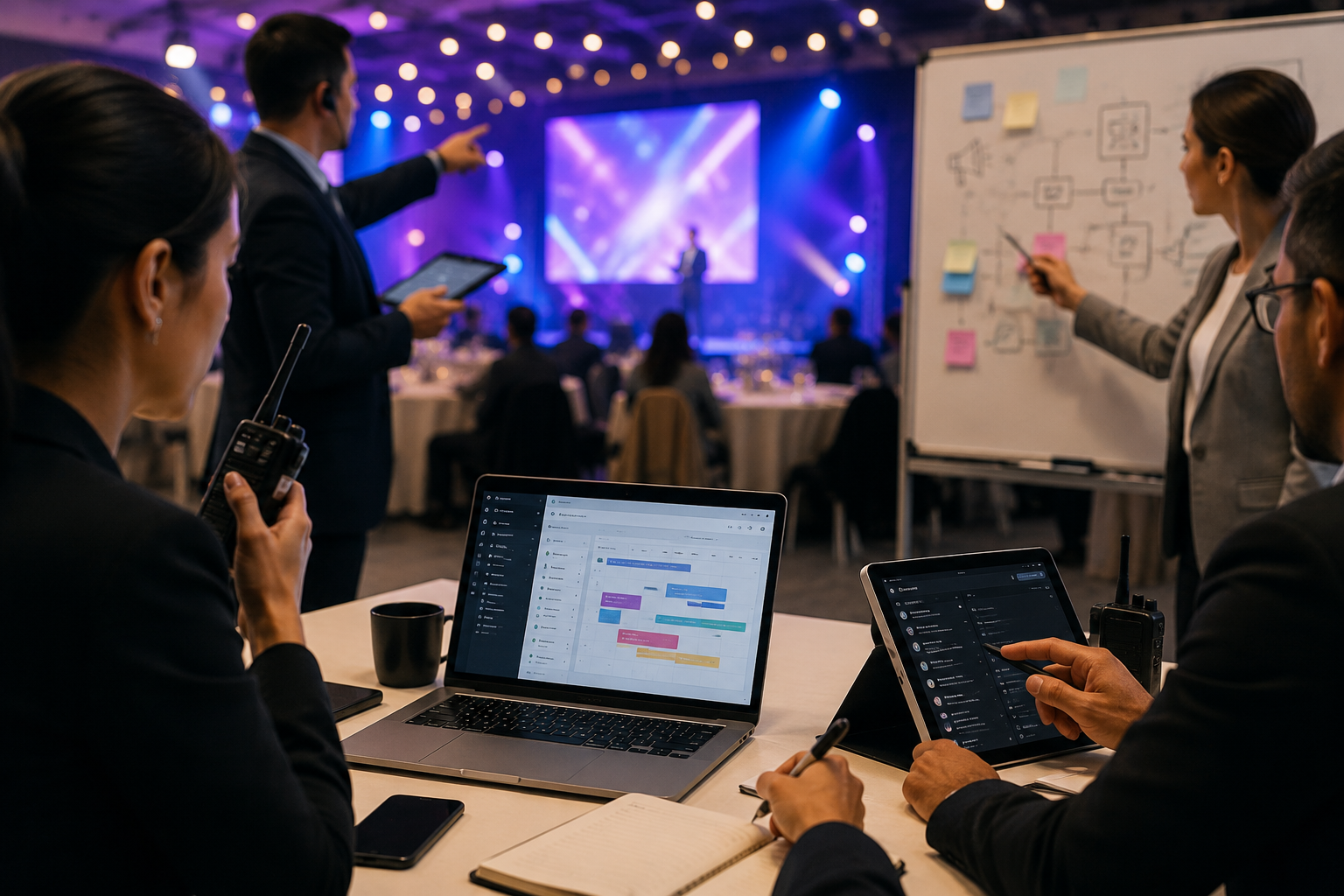
One thing I’ve noticed is that companies often underestimate how much coordination events require behind the scenes. A delay with one supplier affects another vendor. Technical setup affects rehearsal timing. Guest arrivals affect food service schedules. Everything connects together. And when communication breaks down, stress grows fast. I’ve seen event teams trying to solve venue problems while simultaneously answering guest questions and managing last-minute changes. That pressure becomes difficult very quickly without proper systems in place. The real challenge is balancing organization without making the event feel overly controlled. Because guests can sense tension too. That’s why experienced event planners focus heavily on preparation before the event day even arrives. Good planning reduces panic later. It sounds simple, but honestly, many people skip this part because they assume things will somehow work themselves out. Usually, they don’t.
Why Personalization Changes the Entire Experience
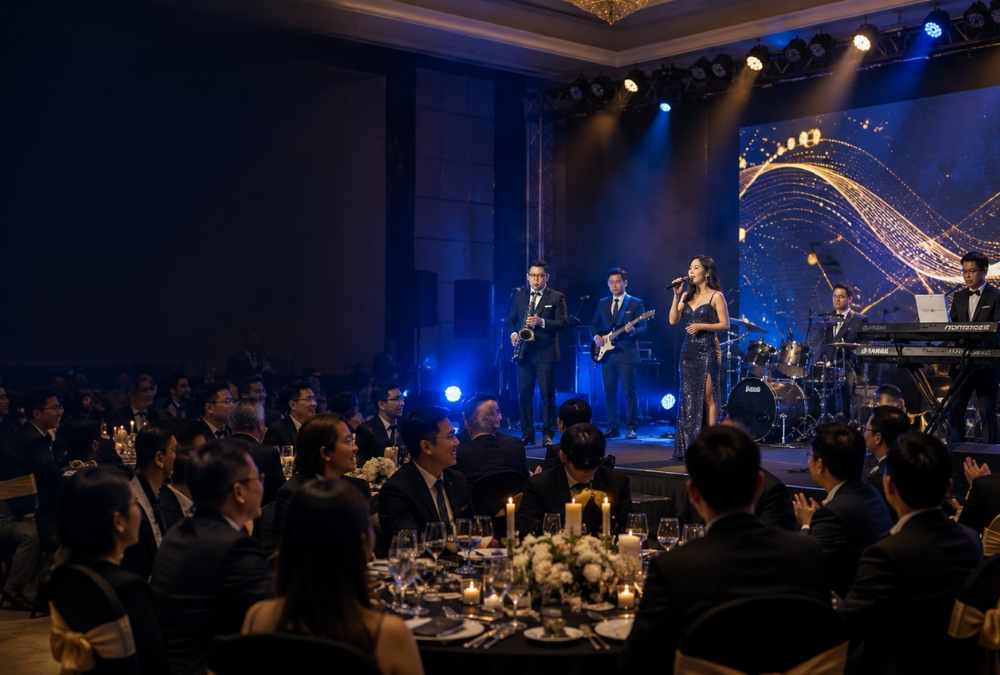
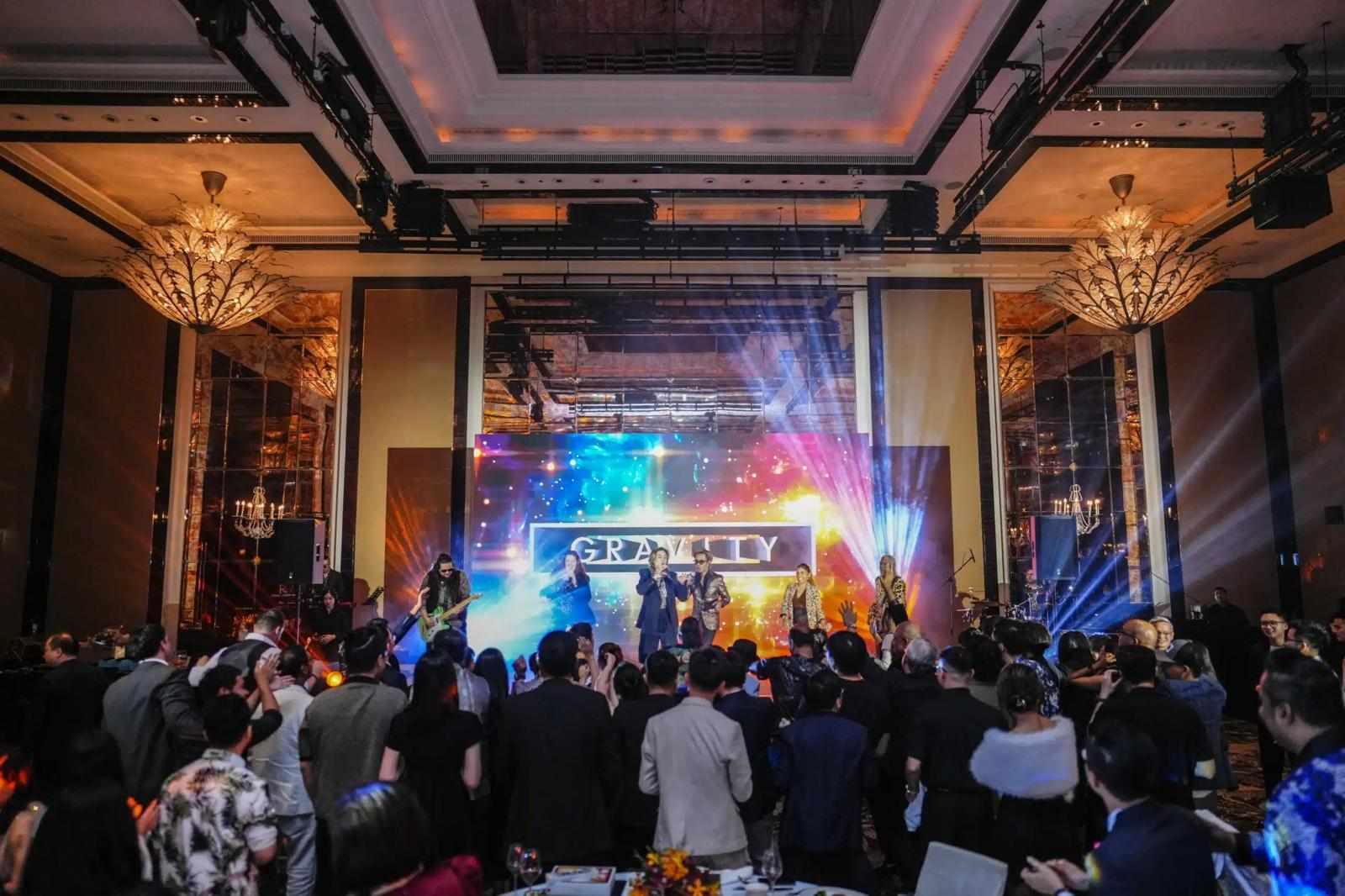
The strongest events almost always feel intentional. Not perfect. Intentional. There’s a difference. When guests walk into a well-planned event, the atmosphere feels smoother. Transitions make sense. Activities feel connected. Nothing appears random or forced. That’s what personalization helps create. For example, corporate clients in Singapore now want events that reflect their company identity instead of looking identical to competitors. Some prefer relaxed networking environments. Others focus more on premium hospitality or interactive experiences. Different audiences respond differently. And honestly, this is where many generic event setups fail badly. They try to work for everyone, which usually means they connect deeply with nobody. Customised events Singapore work better because they adapt around the audience rather than forcing guests into a fixed structure. That flexibility changes the overall experience completely.
The Venue Is Important, But It’s Not Everything
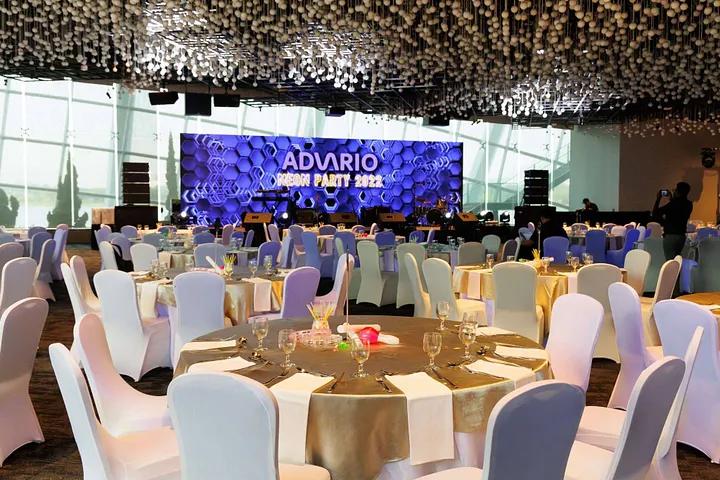
People often obsess over venues first. Nice hotel ballroom. Rooftop space. Luxury restaurant. Waterfront location. Those things help, of course. But here’s what I’ve seen repeatedly. A beautiful venue cannot save poor event flow. If guests feel confused, bored, or disconnected, the venue becomes secondary very quickly. Strong event experiences come from timing, energy, coordination, and interaction. Even smaller venues can create excellent experiences when the planning feels thoughtful and natural. That’s why experienced planners usually focus on guest movement and engagement before decoration details. Because practical comfort matters more than social media aesthetics alone.
What Actually Works in Singapore
Singapore’s event industry moves fast. Expectations are higher now than they were a few years ago. Guests want smoother registration. Faster communication. Better pacing. More interaction. Less wasted time. Corporate audiences especially value efficiency combined with experience. They don’t want events that feel overly formal or painfully scripted anymore. What works best now is balance. Professional but relaxed. Organized but natural. Structured but still engaging. That balance is harder to create than people think. And honestly, that’s why planning support matters so much for businesses handling larger events. Experienced teams already understand common pressure points before problems even appear. That preparation changes everything behind the scenes.
Conclusion
Event planning in Singapore can become overwhelming very quickly when too many moving parts collide at once. But the events people remember most usually follow the same pattern. They feel organized, personal, smooth, and genuinely enjoyable to attend. Not because everything was extravagant. Because the experience felt intentional from beginning to end. That’s where customised events Singapore continue making a real difference for businesses trying to create stronger guest experiences instead of just hosting another standard event. And honestly, people can tell when real thought went into the experience.


Write a comment ...